Wedding flowers Kingston Road venues Motspur Park
Posted on 26/09/2026
Wedding flowers Kingston Road venues Motspur Park: a practical guide to beautiful local wedding styling
Planning Wedding flowers Kingston Road venues Motspur Park can feel wonderfully exciting and slightly overwhelming at the same time. You are not just picking pretty stems. You are shaping the mood of the day, the first impression guests get when they walk in, and the little details that make photographs feel alive years later. Whether you are working with a compact registry-style space, a local hall, or a more traditional reception venue near Kingston Road, the flower choices need to suit the room, the timeline, the budget, and the way your day actually flows.
That is where good floral planning makes all the difference. In this guide, we will walk through how wedding flowers work for Motspur Park venues, what to prioritise, how to avoid expensive mistakes, and where the smartest decisions usually happen. We will also look at bouquet styles, venue dressing, buttonholes, table flowers, and a few practical details people often forget until the last minute. Truth be told, those details are usually the ones you feel most grateful for on the day.
One thing to keep in mind: the best wedding flowers are not always the biggest or the most dramatic. They are the ones that suit the space, the season, and the people getting married. Simple. But not always easy.
Why Wedding flowers Kingston Road venues Motspur Park Matters
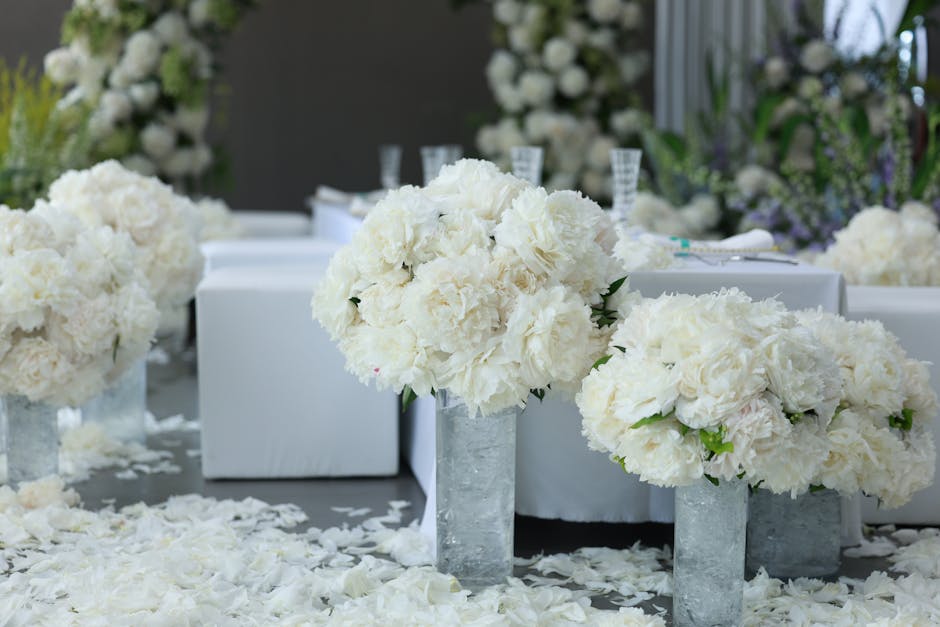
Wedding flowers matter because they do more than decorate. They tell guests what kind of celebration they have arrived at. A soft palette of whites and blush tones can make a room feel calm and refined. A stronger mix of colour can lift a modest venue and make it feel festive without overdoing it. In a local setting like Kingston Road and wider Motspur Park, that matters even more because venues can vary a lot in size, light, ceiling height, and layout.
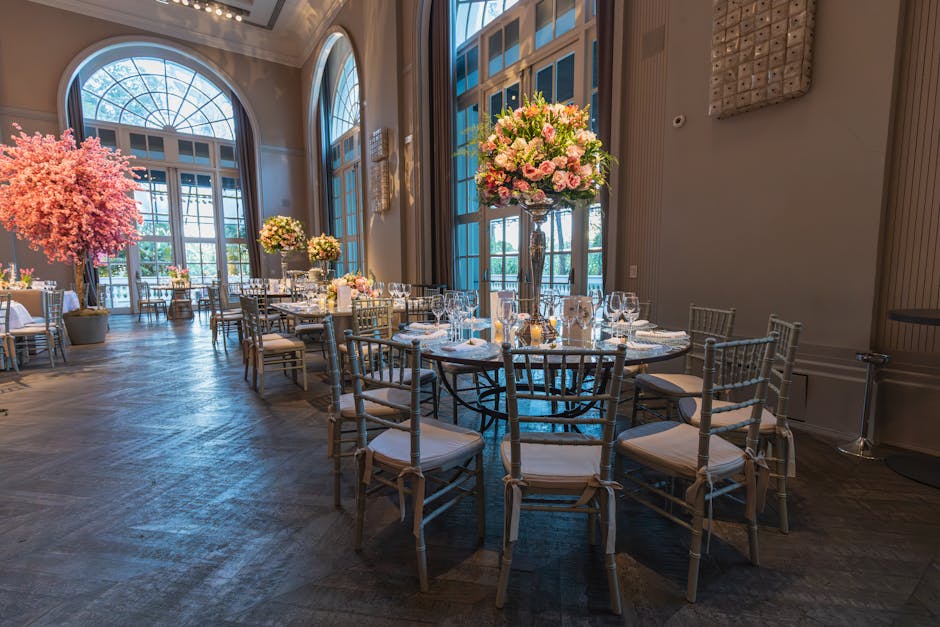
If the space is narrow or naturally bright, the wrong floral scale can make it feel crowded or a bit lost. If the room is plain, flowers need to do some heavy lifting. Not in a fussy way, just enough to make the setting feel intentional. And if guests are moving between ceremony, drinks, and dinner, the flowers need to travel well too. That practical side is easy to overlook.
Local wedding flower planning also matters because timing is tighter than people expect. Deliveries need to land at the right moment, arrangements need to stay fresh, and the venue may have narrow windows for setup. It is not glamorous, but it is the part that decides whether the styling feels calm or chaotic. And nobody wants the bridal bouquet arriving five minutes after the bride has. Slightly awkward, that.
How Wedding flowers Kingston Road venues Motspur Park Works
The process usually starts with the venue, not the vase. A good florist will ask what kind of room you have, how many tables there are, whether the ceremony and reception are in the same place, and what the lighting is like at the time of day you are marrying. Those details shape almost every floral decision.
Then comes style. Some couples arrive with a clear picture: roses, eucalyptus, candlelight, the lot. Others just know they want something seasonal and elegant. Either route is fine. The main thing is to match the flowers to the practical needs of the day. For example, a long banquet table often calls for low arrangements or scattered stems, while a top table may need something fuller that still allows people to talk across it.
You will usually work through a few categories:
- Bridal flowers such as bouquets and perhaps a hair piece or floral wrist detail.
- Bridesmaid flowers to complement the main bouquet without competing with it.
- Buttonholes and corsages for the wedding party.
- Ceremony flowers for aisle ends, registrar tables, arches, or entrance points.
- Reception flowers for guest tables, the top table, and feature areas.
At local venues, these elements are often repurposed. That is one of the smartest ways to make the budget go further. A ceremony arrangement can become a reception focal point. Bridesmaid bouquets can be moved to the cake table or used around the gift area. Nothing flashy. Just sensible planning.
If you are browsing options, it can help to look at a specialist range such as wedding flowers and collections alongside more specific items like bridal bouquets, bridesmaid bouquets, buttonholes, corsages, and table arrangements. That gives you a clearer sense of how the pieces fit together.
Key Benefits and Practical Advantages
The biggest benefit of getting wedding flowers right is that they make everything feel finished. A venue with good florals looks considered, even if the rest of the styling is fairly simple. That is useful for couples who want elegance without spending on unnecessary extras.
Here are the main practical advantages:
- Better visual balance: flowers soften hard edges, empty corners, and plain tables.
- Clearer theme: they tie together outfits, linens, candles, stationery, and the room itself.
- Photograph-friendly detail: bouquets and arrangements add depth to pictures, especially close-ups.
- Flexible budget control: you can go more minimal in some places and more generous in others.
- Seasonal value: choosing flowers that are naturally available can give you a fuller look for the money.
There is also a quieter benefit. Flowers can calm a room. Guests notice it even if they cannot quite say why. A reception with well-placed flowers feels more relaxed and more personal. Less like a hall, more like your wedding.
And let's be honest, that feeling matters just as much as the photographs.
Who This Is For and When It Makes Sense
This approach suits couples planning a wedding at or near Kingston Road in Motspur Park who want thoughtful flowers that work with a real venue, not a dream image that falls apart on the day. It is especially useful if you are:
- booking a local venue with limited setup time
- trying to keep the decor elegant but not excessive
- planning a ceremony and reception in one place
- working to a set budget and want good value
- unsure which flowers suit the season or the room
- wanting flowers that photograph well but still feel natural
It also makes sense if you are doing a mix of DIY and professional support. Plenty of couples do that now. Maybe you are happy to handle simple guest table flowers but want the bouquets, buttonholes, and main arrangements done properly. That split can work very well, provided the style is agreed early.
If you are more organised than most, you will probably enjoy this stage. If not, no problem. A good flower plan can reduce the number of moving parts. Which, around a wedding, is a gift in itself.
Step-by-Step Guidance
1. Start with the venue layout
Before you think about peonies or roses, map the room. Where will guests sit? Where will people enter? Is there a separate ceremony area? Where will the top table, cake, and gift table be? That rough map helps you avoid spending on flowers that nobody sees.
2. Decide the main floral jobs
Ask what the flowers need to do. Do they need to frame a ceremony space? Fill a long table? Mark the aisle? Softly dress a registrar table? Most weddings do not need every floral feature under the sun. A few well-chosen jobs usually do more than a dozen scattered extras.
3. Choose your priority pieces first
The bridal bouquet, key table flowers, and any ceremony focal pieces usually give the biggest visual return. If your budget is tighter, put more energy there. Guests will notice the bouquet in the photos and the main room pieces as they arrive. Smaller extras can be scaled back without spoiling the overall effect.
4. Pick flowers that suit the season
Seasonal flowers generally give a fresher, more coherent look. They are often easier to source too. You do not need to be botanical about it. Just think in terms of tone and texture. Spring feels lighter and softer. Summer can be fuller and more open. Autumn leans richer and warmer. Winter often works best with structure and contrast.
5. Match colour to light and decor
A colour that looks lovely in a bouquet can behave differently under venue lighting. Warm bulbs, pale walls, and daylight all change how petals read in the room. A white-and-green scheme may feel crisp and modern, while cream with blush can look softer and more romantic. Test the palette against table linen or venue photos if you can.
6. Plan delivery and setup carefully
This is one of those boring bits that saves the day. Flowers should arrive when the venue is ready, not when staff are still moving chairs or clearing the floor. If the room turns over between ceremony and reception, build in buffer time. A rushed flower delivery can unsettle the whole schedule. No one wants that at half past two on a Saturday.
7. Confirm reuse after the ceremony
If you are repurposing arrangements, make the plan clear before the day. Who moves them? When? Where do they go next? Sometimes the florist does this, sometimes the venue team, sometimes a helpful relative who should really have been left out of it. Decide in advance.
That is the spine of the process. The rest is styling detail.
Expert Tips for Better Results
A few small choices can make wedding flowers look much more polished without raising the spend dramatically.
- Use one strong focal flower and support it with texture. A bouquet with roses, lisianthus, or orchids can look richer when paired with looser foliage or lighter fillers.
- Keep the scale honest. Tall arrangements are lovely, but not if they block conversation or dominate a modest room.
- Repeat one or two colours across the day. That creates cohesion without forcing everything into a rigid theme.
- Think about scent. Strongly scented flowers can be gorgeous, but in a small venue or enclosed room they can become a bit much.
- Choose sturdy stems for transport. Weddings involve handling, lifting, and a fair amount of movement. Delicate flowers are not always practical in every position.
One good habit is to build around the bouquet first, then echo it in the buttonholes and tables. That makes the wedding feel unified without turning into a matching exercise. You want harmony, not repetition for its own sake.
Expert summary: If you remember only one thing, make it this: choose flowers for the space you actually have, not the fantasy room in your head. Beautiful styling starts with practical fit.
Also, do not feel pressured to use every trendy bloom you have seen online. Trends come and go. Your photos, meanwhile, are staying put for decades. A clean, well-fitted arrangement always ages better than an overcomplicated one.
Common Mistakes to Avoid
Wedding flower mistakes are rarely dramatic. More often, they are small planning misses that add up. Here are the ones that tend to cause the most trouble.
- Leaving the floral plan too late. Popular dates fill quickly, and seasonal flowers may be limited if you wait too long.
- Ordering too many separate pieces. It can look efficient on paper and still feel cluttered in real life.
- Ignoring the venue's colour palette. A beautiful flower choice can clash if it is fighting with carpets, curtains, or lighting.
- Forgetting transport conditions. Summer heat, long journeys, and a bumpy car ride can all affect freshness.
- Not checking table sizes. Sounds small, but it matters. A centrepiece that is too large changes how people sit and talk.
- Choosing flowers only from pictures. Photos are helpful, but texture, scale, and scent matter too.
A subtle mistake is trying to make every single item "special". Sometimes one beautiful bouquet, one or two strong arrangements, and neat buttonholes are enough. You do not need to fill every gap. Space can be part of the elegance.
Tools, Resources and Recommendations
You do not need a complicated toolkit to plan wedding flowers well. In fact, the simpler the process, the easier it is to stay on top of decisions. The most useful resources are usually quite ordinary.
- Venue photos: especially images taken in the same room or lighting conditions.
- Guest count and table plan: these directly affect how many arrangements you need.
- Outfit references: dress fabric, suit colour, and bridesmaid shades all influence the palette.
- Seasonal mood board: a small collection of tones and textures helps you avoid a muddled style.
- Product examples: ranges such as a complete wedding collection or the more focused bridal bouquet styles can help you narrow down the look faster.
For couples comparing styles, it can also help to look at arrangements that signal different moods. A soft bouquet such as Pure Romance reads differently from a bolder piece like Royal Essence. Neither is "better". They just do different jobs.
If you want a practical place to start, browse a few wedding-focused pages and note what feels consistent. Not the exact flower names necessarily, but the overall atmosphere. That is usually where people get clarity.
Law, Compliance, Standards, or Best Practice
Wedding flowers are not heavily regulated in the way some industries are, but there are still sensible standards and responsibilities to keep in mind. The main one is simply good practice around safe handling, clear communication, and reliable delivery.
In the UK, venues often have their own rules about access times, setup windows, candles, hanging items, and anything that could block fire exits or damage surfaces. Floral installations should always respect those venue requirements. If your design includes large features, check them against the venue's own policies early. That avoids a stressful last-minute rethink.
For fresh flowers, good storage and transport matter. Flowers should be kept in suitable conditions, handled carefully, and delivered in a way that protects the arrangement. If a florist offers guidance on care, follow it. A lot of wedding flower "problems" are really just hydration issues or early exposure to heat.
Payment terms, cancellations, substitutions, and refunds should also be checked in advance. That is not the exciting part, obviously, but it is part of choosing any supplier with confidence. If your florist provides clear terms and a transparent delivery policy, that is a very good sign.
Best practice is simple: confirm what you are getting, when you are getting it, who sets it up, and what happens if the flower variety you wanted is unavailable. Honest communication beats vague promises every time.
Options, Methods, or Comparison Table
Wedding flowers for Kingston Road venues in Motspur Park can be approached in a few different ways. Each method has strengths, depending on budget, venue style, and how much help you want.
| Approach | Best for | Strengths | Trade-offs |
|---|---|---|---|
| Full floral styling | Couples wanting a polished, cohesive look across ceremony and reception | Consistent design, strong visual impact, less stress on the day | Higher spend, more planning needed |
| Core essentials only | Smaller weddings or couples prioritising budget control | Focused investment on bouquet, buttonholes, and key tables | Less room dressing overall |
| Hybrid approach | Couples mixing DIY with professional items | Flexible and cost-aware, still professional where it matters most | Needs careful coordination |
| Season-led styling | People who want a natural, easy-to-live-with colour palette | Fresh, coherent, often better value | Less control over exact flower types |
If you are unsure which route to choose, ask yourself one straightforward question: what will guests actually see first? That answer usually points to the right spend. A little practical, but very effective.
Case Study or Real-World Example
Imagine a couple planning a late afternoon wedding near Kingston Road with a simple ceremony and a relaxed dinner afterwards. The venue is attractive but fairly plain: neutral walls, modest table spacing, and not much natural decoration. They want the room to feel romantic without looking overdone.
Instead of ordering lots of separate pieces, they choose one defined bouquet style, matching bridesmaid bouquets, neat buttonholes, and three main arrangements: one for the ceremony area, one for the top table, and one for the reception entrance. The ceremony flowers are moved after the vows to frame the cake table. Guest tables get simple low arrangements rather than tall centrepieces, which keeps conversation easy. Nice and calm.
The result is not dramatic in the theatrical sense. But it works. The room feels tied together, the photos have visual depth, and nothing feels crowded. Guests notice the fresh flowers as they enter and the couple gets a clear, elegant look that suits the space rather than fighting it.
That is often the sweet spot for Motspur Park weddings: thoughtful, proportionate, and quietly confident.
Practical Checklist
Use this checklist to keep your flower planning on track.
- Confirm the venue name, room layout, and access times
- Decide the ceremony and reception floral priorities
- Choose your colour palette and overall style direction
- Check the bridal bouquet, bridesmaid bouquet, buttonhole, and table arrangement needs
- Ask whether arrangements can be reused after the ceremony
- Measure or confirm table sizes and the top table layout
- Review any venue rules about candles, hanging decor, or setup timing
- Confirm delivery windows and the person responsible for receiving flowers
- Agree what happens if a flower variety needs to be substituted
- Keep a written summary of choices, quantities, and timings
Helpful rule of thumb: if the plan cannot be explained clearly in a minute or two, it probably needs simplifying. That is not a failure. It is just good planning.
Conclusion
When you plan Wedding flowers Kingston Road venues Motspur Park well, you create more than decoration. You create flow, atmosphere, and a feeling that the whole day belongs together. The most successful wedding flowers are usually the ones that suit the room, support the schedule, and make the couple feel completely at ease when they see everything come to life.
Keep the venue in mind first, then the practical priorities, then the style. That order tends to save time, money, and stress. A bouquet that feels right in your hand, a room that feels balanced, a table that still works for conversation - those are the details people remember without even trying. And honestly, that is the real win.
If you are ready to turn a local venue into something warmer, softer, and more personal, the next step is simply to compare your favourite floral styles and lock in the pieces that matter most.
Get a free quote today and see how much you can save.
Frequently Asked Questions
What flowers work best for Kingston Road wedding venues in Motspur Park?
It depends on the room, the season, and the overall style. Roses, lisianthus, orchids, hydrangeas, and mixed seasonal flowers are all common choices because they can be adapted to elegant, classic, or modern looks.
How far in advance should I plan wedding flowers?
As early as you comfortably can. The earlier you plan, the more choice you usually have for style, timing, and seasonal flowers. It also gives more time to match the flowers to the venue layout properly.
Can wedding flowers be reused from the ceremony to the reception?
Yes, often they can. This is one of the smartest ways to stretch your budget. Ceremony pieces can move to the top table, gift area, or cake display if the venue layout allows it.
What is the difference between a bridal bouquet and bridesmaid bouquets?
The bridal bouquet is usually the main statement piece and may be fuller or slightly more detailed. Bridesmaid bouquets are typically smaller and designed to complement the bride without competing for attention.
Are buttonholes and corsages still worth having?
Usually yes, especially if you want the wedding party to look coordinated. Small floral details add polish in photos and help the whole group feel connected visually.
How do I choose flowers that suit my venue?
Look at the room size, colour, light, and table shapes. If the venue is compact, smaller arrangements may work better. If it is plain or spacious, you may need more structure or a stronger focal point.
What if the flowers I want are out of season?
A good florist can suggest suitable substitutes with a similar look or feel. In many cases, the alternative is not a downgrade at all - just a different route to the same mood.
Do wedding flowers need special care on the day?
They do benefit from careful handling, suitable storage, and sensible timing. Keep them cool where possible and avoid leaving them in direct heat for long periods. Your florist should advise on the specifics.
Can I have a simple wedding flower plan and still make the venue look special?
Absolutely. A clean bouquet, a few well-placed arrangements, and coordinated buttonholes can be enough to make a venue feel thoughtful and complete. You do not need to overfill the room.
What should I ask before ordering wedding flowers?
Ask what is included, how many arrangements you are getting, whether substitutions may be needed, when delivery happens, and what the setup process looks like. Clear answers now save headaches later.
Are luxury wedding flowers always better than simpler options?
Not necessarily. Luxury flowers can be beautiful, but the best choice is the one that fits your space, budget, and style. A well-designed simple arrangement can look far better than an overcomplicated expensive one.
Where should I start if I feel overwhelmed?
Start with the venue, then the bridal bouquet, then the key reception flowers. Once those are set, the rest usually falls into place more easily. Small steps, honestly, work best.